
Midleton, East Cork · Online nationwide
Understanding Trauma. Creating Change.
SelfCare is a trauma-oriented, solution-focused therapy practice in Midleton, Co. Cork, run by Tom Evans, an experienced, Certified EMDR trauma therapist and IACP-accredited psychotherapist.
The work begins by identifying what is driving your symptoms. We find which tools regulate and calm the nervous system and you are given practical techniques to maintain that regulation between sessions. Alongside this, we do the deeper work of identifying and processing traumatic events that remain held in the nervous system, and that ultimately fuel anxiety, distress and dysfunction. The aim is to resolve symptoms, restore emotional health and in time, enable you to move on with your life.
IACP accredited · EMDR Europe certified · Midleton, 30 minutes from Cork city

Areas of practice
Trauma therapy & EMDR
EMDR therapy with a Certified EMDR therapist (EMDR Europe) for recent, past and childhood trauma, including abuse, bereavement and PTSD.
Read moreAnxiety, panic & low mood
Solution-focused work for anxiety, panic attacks, stress and depression, alongside practical strategies between sessions.
Read moreOnline counselling
Video sessions by Zoom, Microsoft Teams or WhatsApp video for clients throughout Ireland and for those travelling abroad.
Read moreWorkplace EAP & Critical Incident CISM
Employee Assistance counselling through workplace programmes, and Critical Incident Stress Management for teams after a traumatic event.
Read morePresenting issues
- Anxiety
- Panic attacks
- Depression
- Trauma & PTSD
- Childhood trauma
- Bereavement
- Self-esteem
- Confidence
- Assertiveness
- Relationship difficulties
- Inner-child recovery
- Suicidal thoughts
More about Trauma
The approach to wellness here is that “Emotional health leads, and mental health follows.” Trauma can undermine our emotional health and, in turn, our mental health. So rather than focusing narrowly on mental health, much of the work here is about healing trauma and restoring emotional wellbeing.
As this is a trauma-oriented clinic, every difficulty is viewed through the lens of what has happened to you and how your nervous system responded. Trauma is not only the obvious, life-threatening events — what some call capital-T Trauma. But trauma also includes the quieter, repeated experiences of neglect, bullying, abandonment, loss or unsafe attachment, sometimes called lowercase-t trauma, or complex trauma. Both can leave the nervous system stuck in survival mode, and both can be processed using EMDR therapy. The work is practical and solution-focused: stabilise, process what is stuck, heal and resume your life.
Trauma as the frame
Anxiety, depression, panic, addiction and relationship difficulties are often symptoms of an overwhelmed nervous system. We look for what is underneath, not just what is on the surface.
EMDR at the core
EMDR is the main tool used to process traumatic memories and the beliefs that formed around them. It is evidence-based, structured, and designed to achieve change without years of weekly talk therapy.
Tools, less talk
You will leave sessions with practical skills to regulate your nervous system and interrupt symptoms between appointments. Therapy here is active, not passive. Handouts and illustrations used in session are messaged to your phone.
Moving on
The goal is not to manage symptoms indefinitely. The goal is to process the experiences that keep them alive, so you can get back to living. This can include a conversation with your GP about gradually coming off antidepressant medications as part of the work here.

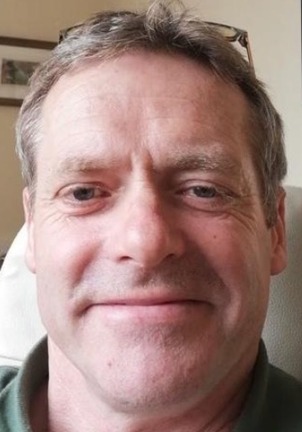
Getting started
We get straight to work. The first session focuses on what is most distressing in your life at present, and I aim to have you leave with practical tools to lower your symptoms by the end of the first hour. I take a brief history as it becomes relevant. From there, we decide whether short-term focused work or longer-term therapy is more appropriate.
1. Initial contact
Use the contact page to send an email, call or text. I will outline availability and arrange a short preliminary phone call to make sure I can help.
2. First appointment
One hour, in Midleton or by secure video. Once the appointment is agreed, you will receive a Google pin, office access information and payment details by text.
3. Deciding on the work
You bring the current troubling symptoms or what is most difficult. We decide whether short-term focused work or longer-term therapy is more appropriate. There is no obligation to continue with additional sessions if you find the process unhelpful, provided 48 hours’ notice of cancellation is given.
Enquiries are welcome, in confidence.
Contact